
Existing Slab for a Patio Cover: Structural Review Questions
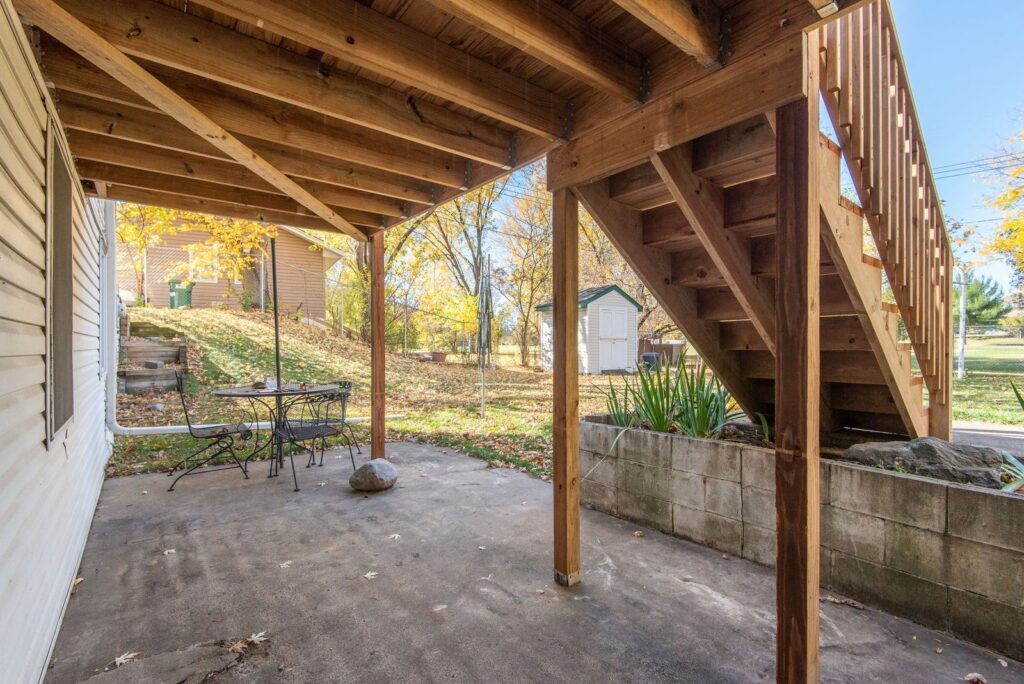
An existing patio slab may look sound without being designed to support a roof. Gather its records, photos and the proposed cover layout before ordering posts or anchors. Thickness, reinforcement, footings and soil may not be visible. Qualified review is needed to establish a suitable support approach and whether engineering is required.
Attached vs Freestanding Patio Covers: Connection Guide
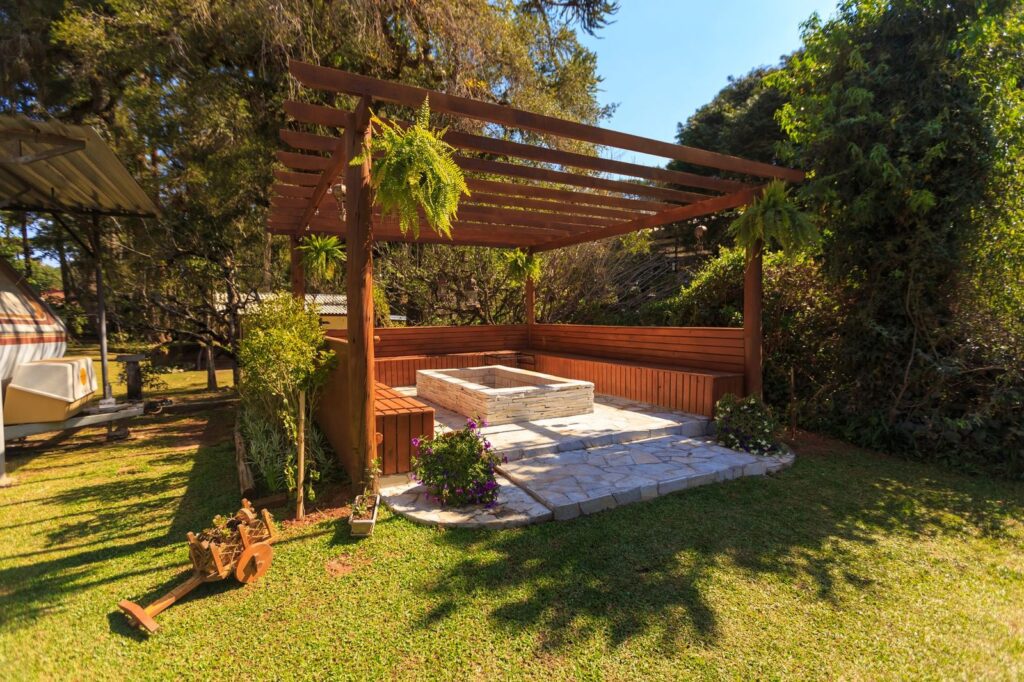
An attached patio cover and a freestanding one raise different connection questions. Compare how each would be supported, drain water and work with doors, windows and daily use. A freestanding concept still needs a suitable site and foundation. Neither option guarantees simpler construction, so review the actual property before choosing.
Outdoor Project Brief: Site, Utilities, and Use Checklist

Turn an outdoor idea into a useful project brief by describing the location, intended use and approximate size. Add the survey if available, drainage concerns, utilities, restrictions and access. Label missing information clearly. The brief helps a contractor understand the request; it does not establish structural design, approval or utility capacity.
Covered Patio vs Deck: Use, Shelter, and Site Comparison

Do you need shade and rain shelter, a framed walking surface, or both? That is a useful starting point when comparing a covered patio with a deck. Consider the yard’s grade, the route from the house and the way you want to use the space. Site and structural review guide what is feasible.
Blown-In Attic Prep: Access, Air Leakage, Other Work
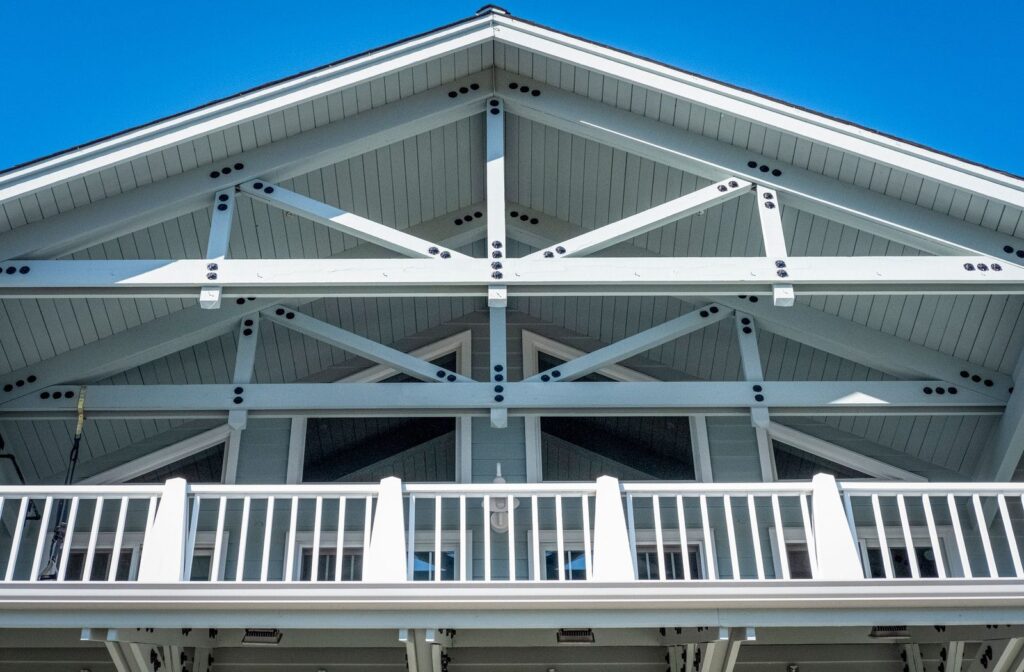
Before adding blown-in insulation, list the other work your attic needs. Roof leaks, air leakage, ducts, wiring and ventilation can affect preparation and sequencing. Share planned projects and existing reports so each provider knows what remains unresolved. Qualified reviewers should establish the technical requirements; more insulation alone does not complete that review.
Add vs Replace Blown-In Insulation: Existing Material Checks
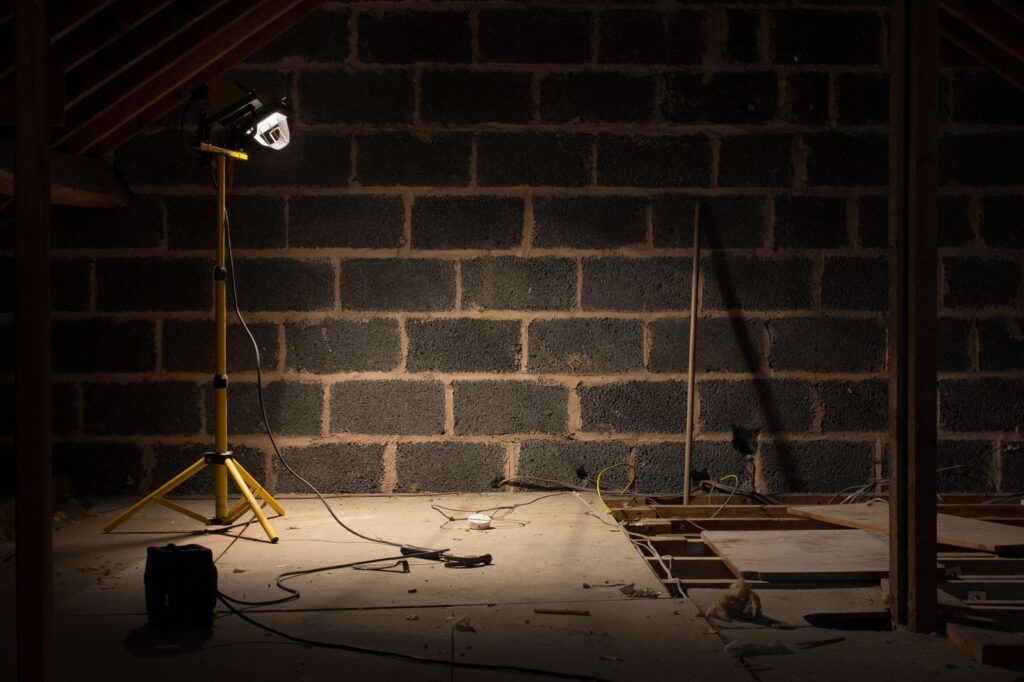
Before adding blown-in insulation, review the condition of the existing material. Moisture, contamination, air leakage and unfinished repairs may change the plan. Dry material suitable to remain may support an addition, while other areas may need removal or a different approach. Ask the reviewer to document the findings behind the recommendation.
Spray Foam Scope: Product, Assembly, and Role Checklist

A useful spray foam proposal names the product, application area and intended assembly. It also explains protection, occupancy restrictions and the roles responsible for connected work. Compare those details before treating two proposals as equivalent. A material label or thickness alone does not establish that the complete scope suits the building.
Roofline Spray Foam: HVAC, Ventilation, Moisture Checks

Spray foam at the roofline changes more than insulation location. Review HVAC, ventilation, moisture, combustion equipment and required protection as part of the proposed assembly. Record the current attic arrangement before choosing a product. Qualified reviewers should establish the technical requirements and identify who is responsible for each connected part.
Comfort Concerns: What to Check Before Insulation Choice

Start with the uncomfortable room, not an insulation product. Note when the problem occurs, how the space is used and what has changed. Gather attic, roof, moisture and HVAC records where available. These observations help qualified reviewers decide what to investigate without assuming the cause or promising a particular improvement.
Insulation Options: Foam, Blown-In, and Radiant Barrier
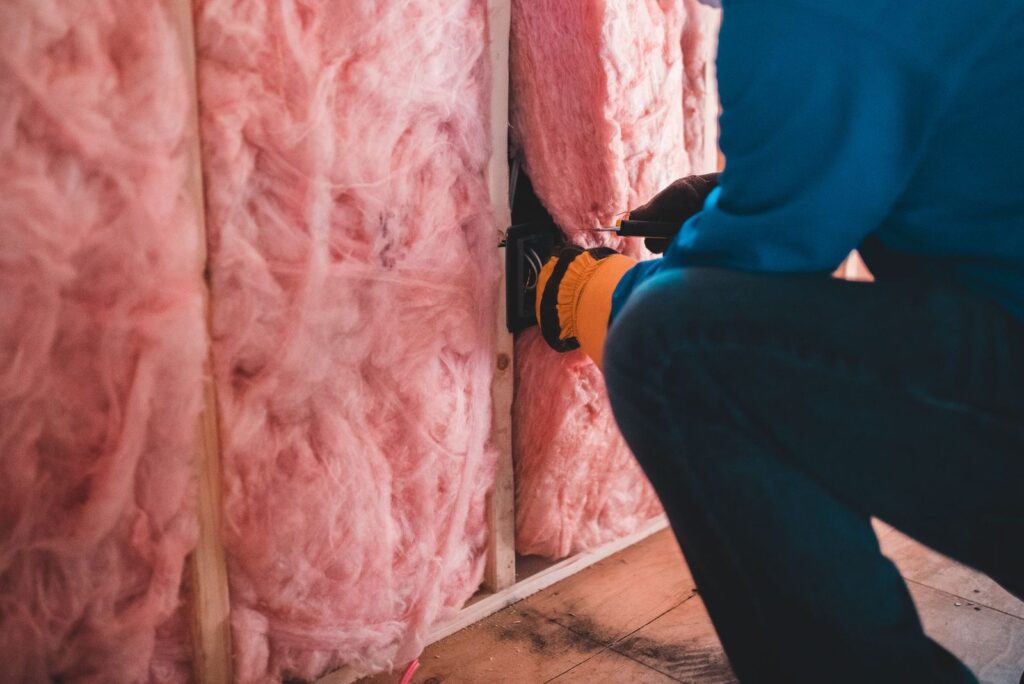
Spray foam, blown-in insulation and radiant barriers serve different purposes. Compare them against the building problem and the assembly each would change. Existing insulation, air leakage, ventilation, moisture and HVAC still matter. A useful proposal explains why a system fits the property instead of presenting one product as the answer for every home.