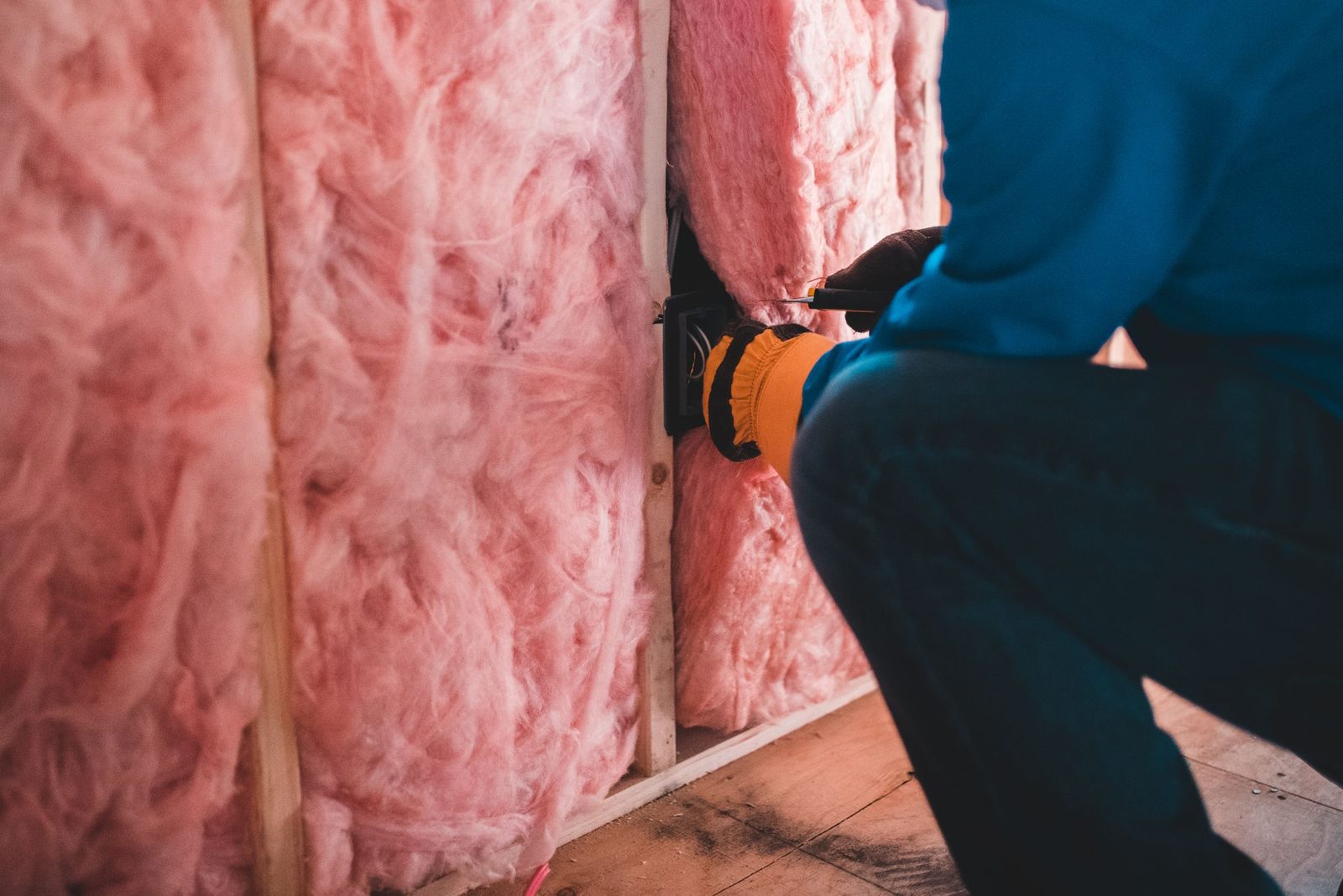
What role does each option address?
The Department of Energy’s Types of Insulation guide describes insulation materials and their uses, including loose-fill products for attic floors and cavities. It also distinguishes radiant barriers from conventional insulation: reflective systems address radiant heat and need an adjacent air space to work as intended.
Spray foam involves a specified product applied to a defined location within the enclosure. The reviewer must consider the resulting assembly, including how it interacts with air movement, moisture, equipment, and protective layers. Blown-in material may suit an attic floor or another compatible cavity after review of the existing conditions.
A radiant barrier serves a different role. Discuss its function as education rather than treating it as a replacement for the property’s other enclosure measures. Its proposed location and product instructions matter, and a reflective surface does not repair a roof leak, restore damaged insulation, or correct HVAC operation.
Which existing conditions change the comparison?
Locate the current insulation and identify it where records permit. Then describe the proposed work area: attic floor, roofline, wall, floor, or another assembly. Two estimates that discuss different locations may be proposing different enclosure strategies even if both use the word insulation.
Record wet areas, pest history, previous work, and access limitations. Adding material over a problem may hide the evidence without addressing the cause. A reviewer should separate source correction, assessment of affected material, and insulation work rather than bundle them under an unexplained product recommendation.
Ask what can remain and what each option requires before application. Retaining suitable material may be possible in some assemblies. Another proposal may require a different approach. The building conditions and documented products should explain that choice, not a claim that one material suits every Houston property.
How do HVAC and ventilation affect the decision?
Describe the heating and cooling equipment, ducts, ventilation arrangement, and any combustion equipment. Changing where a building encloses its conditioned space can introduce questions about these systems. Qualified HVAC, building-science, design, or licensed-trade review may be necessary before the team defines the final scope.
Keep thermal insulation, air sealing, and ventilation as separate questions even when a proposed assembly coordinates them. Ask which part of the identified problem the proposal addresses and which conditions remain outside the scope. That distinction helps you compare offers without assuming that more insulation resolves the whole comfort complaint.
For spray foam, application safety also affects occupancy planning. EPA’s archived spray-foam re-entry guidance calls for occupants and unprotected workers to leave during application and explains that safe re-entry depends on product and conditions. Do not transfer a generic interval into a project promise.
How can you compare proposals without a universal winner?
Create columns for the actual problem, proposed location, documented product, supporting work, and unresolved questions. Compare those columns before comparing the finish description or the thickness of a sample. An attic-floor proposal and a roofline proposal require more explanation than a material-price comparison can provide.
Include access and occupancy effects. A project may require other work before insulation or restrictions during application. Those considerations can influence suitability even when a product can perform its intended role. Ask the reviewer to explain tradeoffs in relation to your building.
Avoid projected savings percentages without property-specific evidence. Existing leakage, insulation, HVAC, climate, building use, and occupant behavior influence performance. This comparison does not predict your utility bill or offer a payback period.
What belongs in an option-comparison checklist?
For each proposal, record:
The comfort or enclosure problem it intends to address.
The application area and the existing assembly.
The product and applicable manufacturer instructions.
Moisture, access, ventilation, and equipment considerations.
Supporting work and the qualified roles responsible for it.
Occupant restrictions and project-specific safety instructions.
Exclusions, remaining questions, and the evidence needed to resolve them.
If you manage commercial property, add the exact use, operating constraints, and decision authority. Residential and commercial inquiries require review of the actual assembly and delivery fit.
Planning this work? Explore Home Insulation Options in Houston or tell us about your project.
Frequently asked questions
No. It addresses radiant heat in a suitable assembly. Conventional insulation, air leakage, ventilation, moisture, and HVAC need their own review.
That cannot follow from the product name. The proposed assembly, equipment, moisture conditions, protective layers, and safety requirements need assessment.
Sometimes. The existing material must be suitable to remain and compatible with the proposed assembly. Review moisture, contamination, repairs, and product requirements first.