
Local Exterior Repair vs Broader Wall Work: Scope Guide
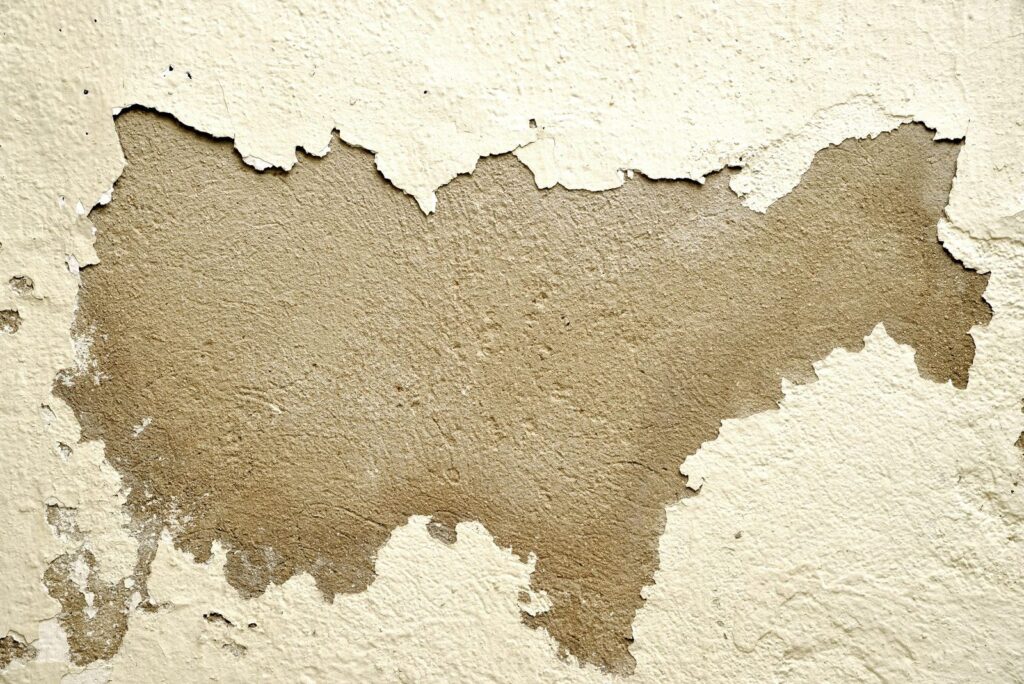
A small damaged area does not always define the full exterior repair. Map the visible condition, nearby openings and moisture history, then explain earlier repairs. The review should distinguish a local finish repair from investigation or wider wall work. Start with observations and let the appropriate professionals establish the cause and repair boundaries.
Exterior Finish Comparison: Wall Assembly Comes First
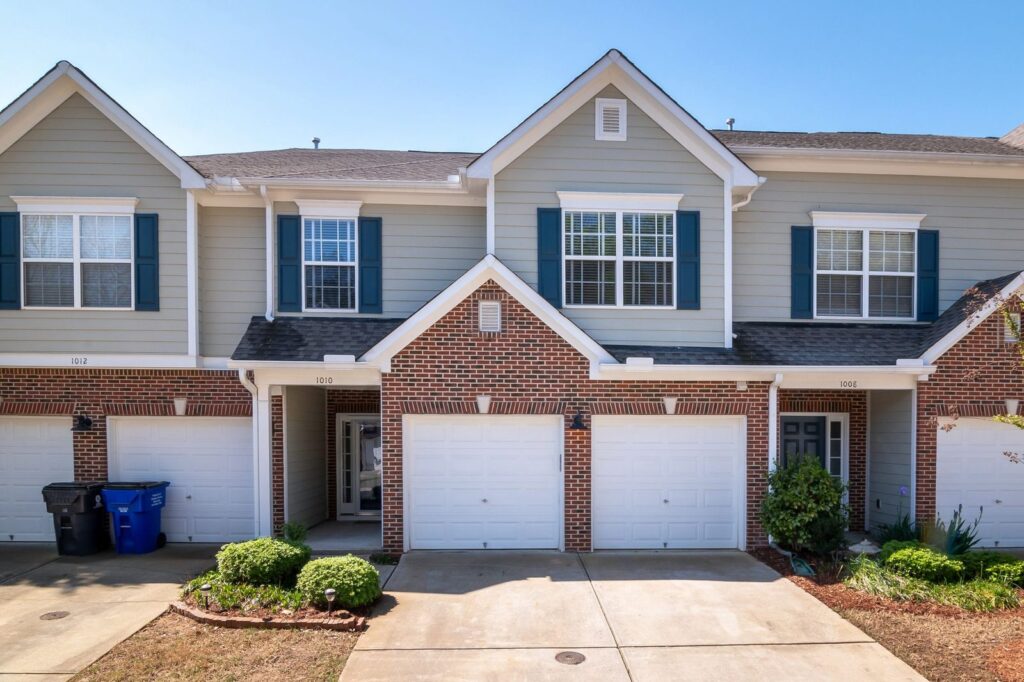
Compare exterior finishes as parts of a wall, not just as samples. Siding boards, fiber cement, stucco and brick involve different materials and connections. Establish the existing wall condition, openings and water paths before choosing a change. A useful comparison shows what each option requires and which questions still need investigation.
Replacing One Metal Roof Panel: Compatibility Questions
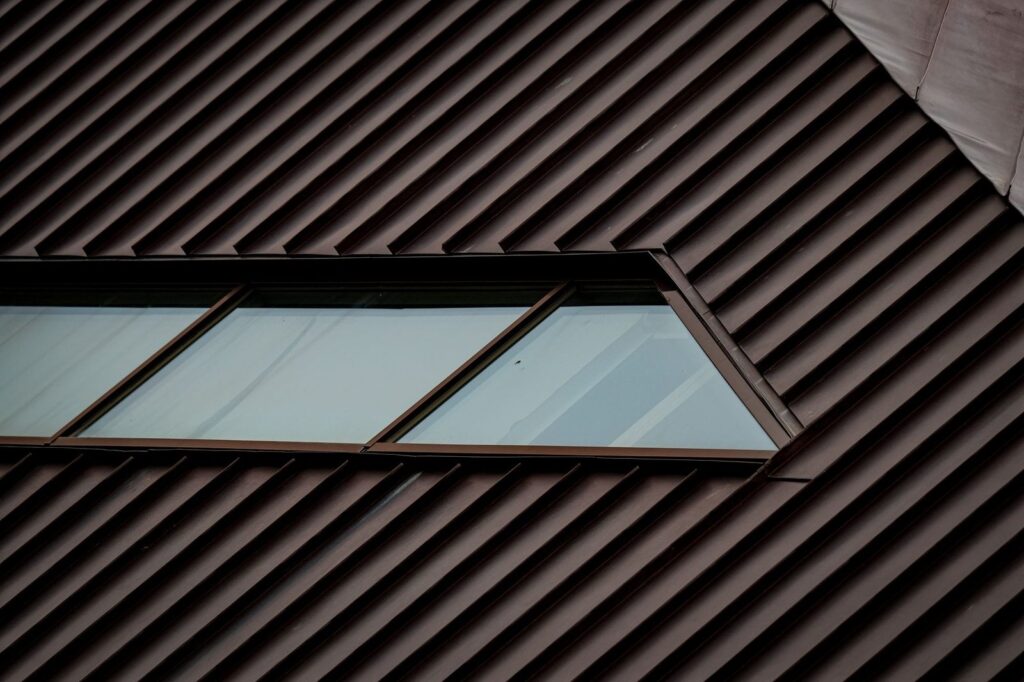
Replacing one metal roof panel depends on more than finding a similar color. Profile, seams, attachment, material and neighboring connections need review. Gather product records and earlier repair information where available. An accessible inspection should clarify whether local replacement is practical and which concealed conditions may affect the proposed work.
Metal Roof Leak Review: Seams, Fasteners, Flashing
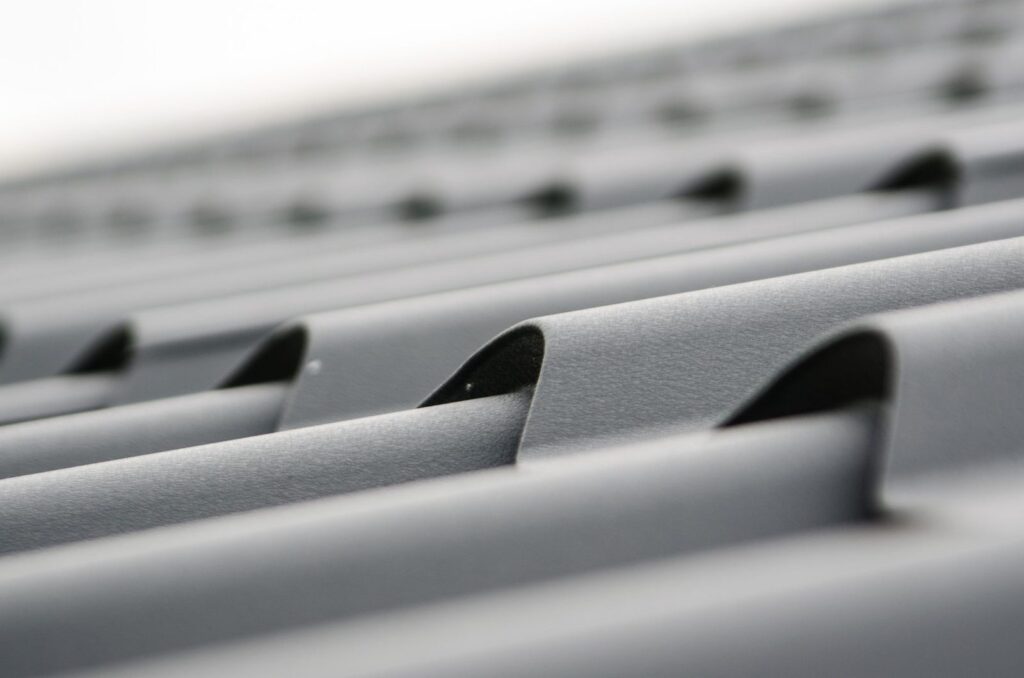
When a metal roof leaks, record where and when water appears before guessing the cause. Seams, fasteners, flashing and earlier patches may need separate review. Share safe interior or ground-level photos and available records. The visible interior symptom may be away from the entry point, so an accessible inspection should guide the next step.
TPO Roof Review Checklist: Records, Equipment, Access
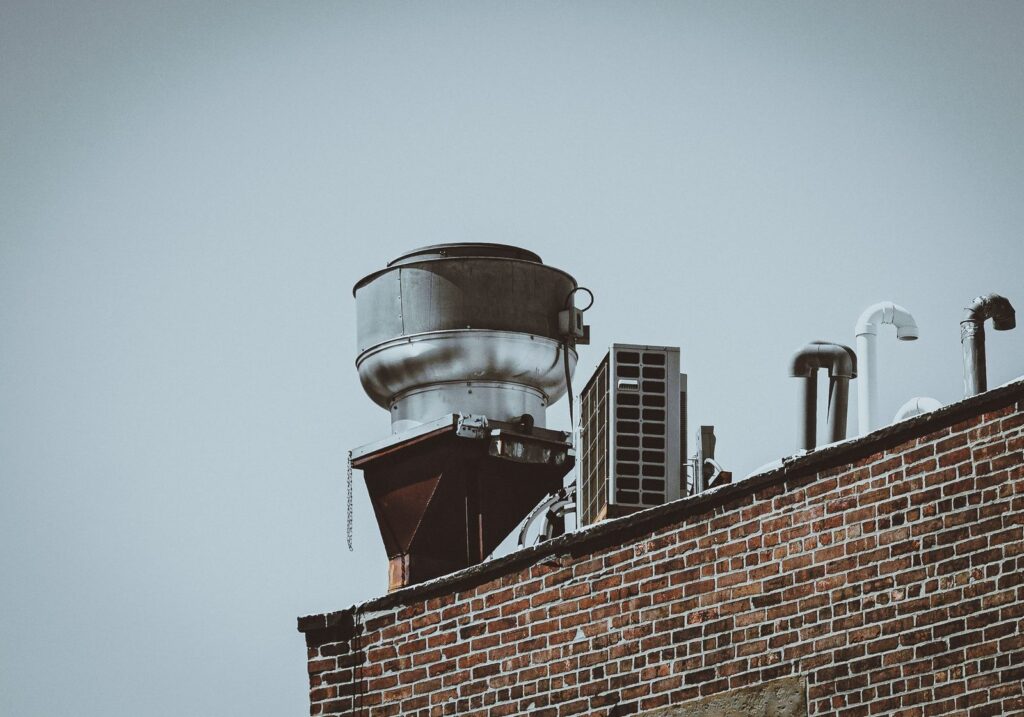
A useful TPO roof review starts with records for the actual roof section. Gather product documents, prior repairs, equipment locations and access limits. A light-colored membrane alone does not confirm TPO. For a commercial property, include operating constraints and clarify which trades handle equipment or penetrations before agreeing on a construction scope.
Low-Slope Roof Drainage: Questions Before Repair

For a low-slope roof concern, gather safe records of standing water, drains, leaks and earlier repairs. Include dates and the roof sections involved instead of declaring a cause from one photograph. Review outlets, transitions and concealed-condition limits with the responsible team before choosing a repair. Do not climb onto the roof to complete the record.
Local Shingle Repairs: Material Match and Repair History
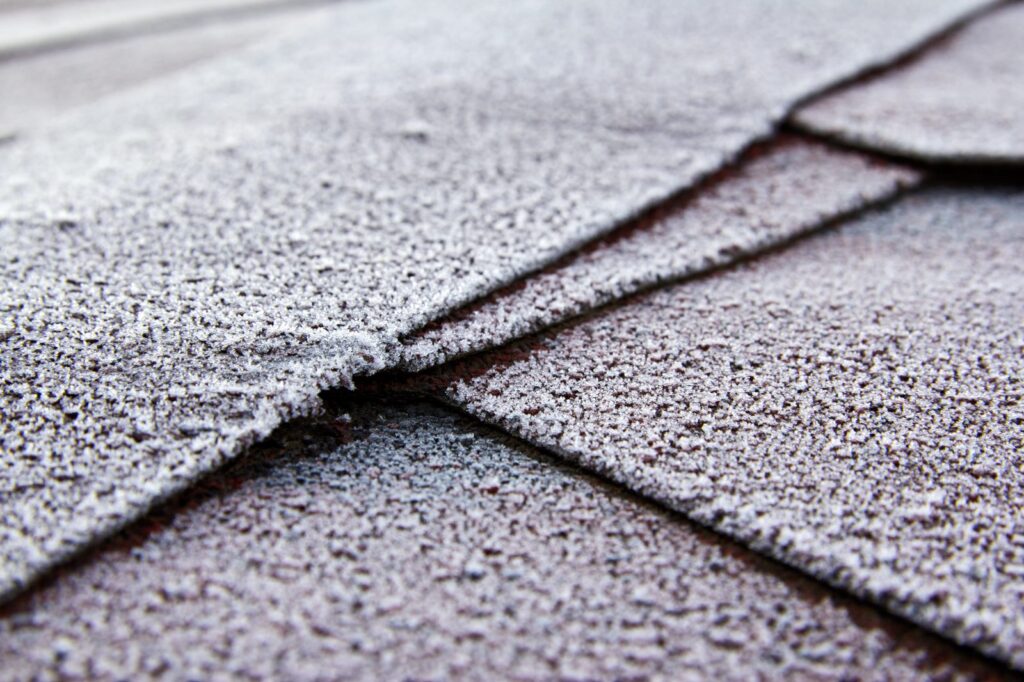
A local shingle repair needs a compatible product and surrounding roof conditions that support the work. Start with installation and repair records where available. Color alone does not identify the right material, and a compatible replacement may still look different. Ask the proposed scope to explain both suitability and appearance limits.
Damaged Shingles: What Else Should Be Reviewed?
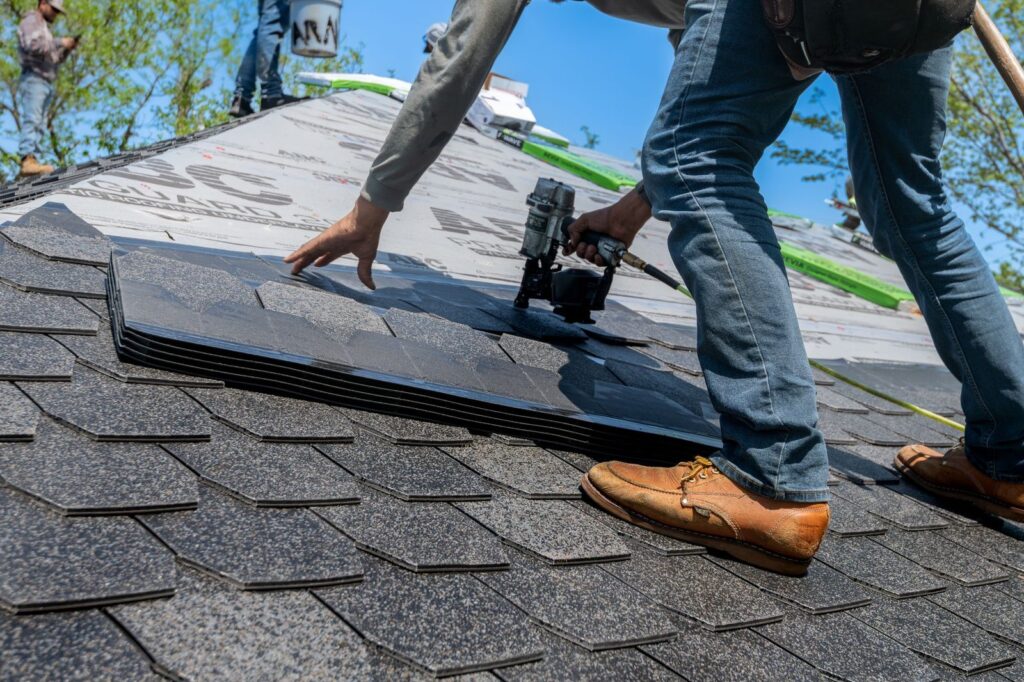
Missing or damaged shingles show where to start a review, not necessarily where it ends. Nearby flashing, underlayment, the deck and earlier repairs may affect the scope. Send dated photos taken safely from the ground and describe any interior leaks. Inspection findings should guide the repair boundary without assuming a cause or insurance outcome.
Roof System Guide: Shingle, Low-Slope, and Metal
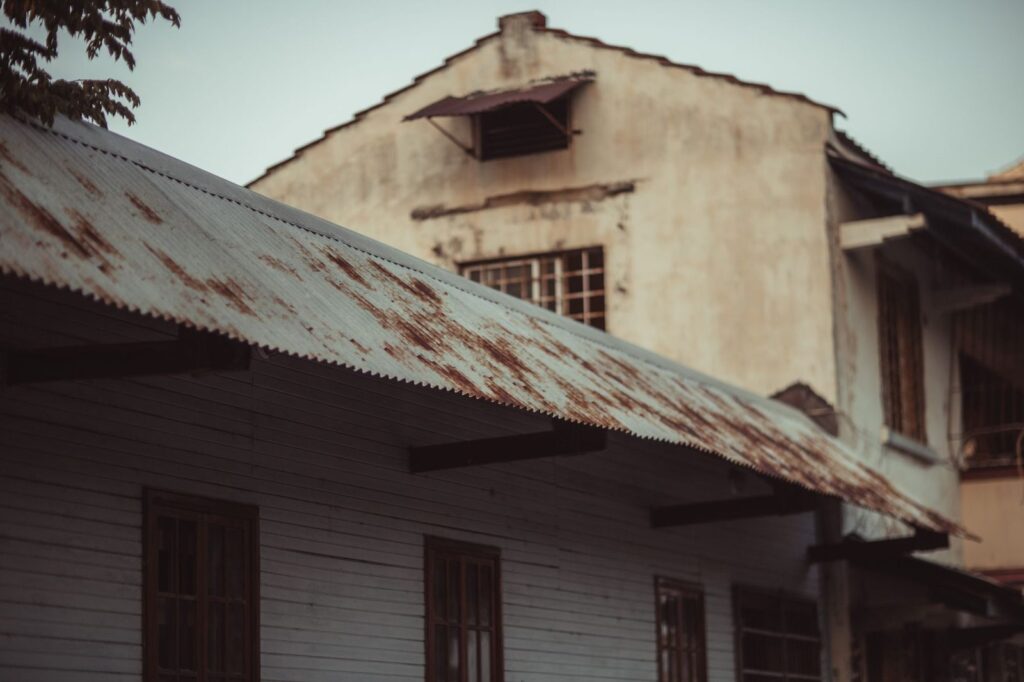
Identify the roof system before comparing proposed work. Shingles, metal panels and low-slope membranes have different components and repair questions, and one property may contain several systems. Gather records and map the sections without climbing onto the roof. The review should establish the product where possible and clearly label what remains unverified.
Roof Repair vs Replacement: Reading Inspection Findings
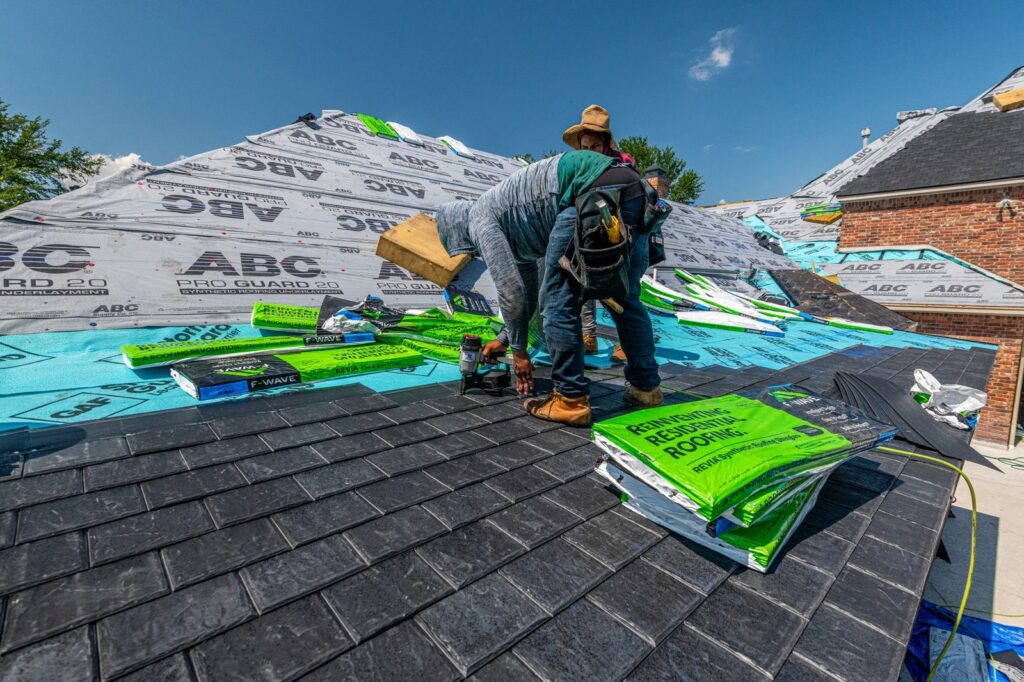
Choosing roof repair or replacement starts with specific inspection findings. Ask what was reviewed, how photographs relate to locations and what remains inaccessible. Compare the proposed repair boundary, compatible materials and earlier work before deciding. A useful report distinguishes observed conditions from suspected causes and does not turn unknowns into a blanket recommendation.