How should you map the affected area?
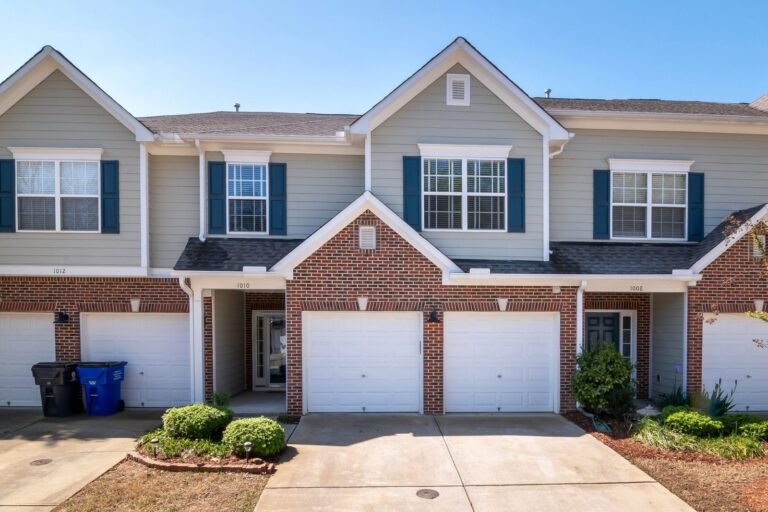
Take a full view of each affected elevation from a safe location. Then add closer photos that show the specific damage and nearby openings. Label locations with descriptions such as “rear wall below bedroom window” rather than numbering close-ups without context.
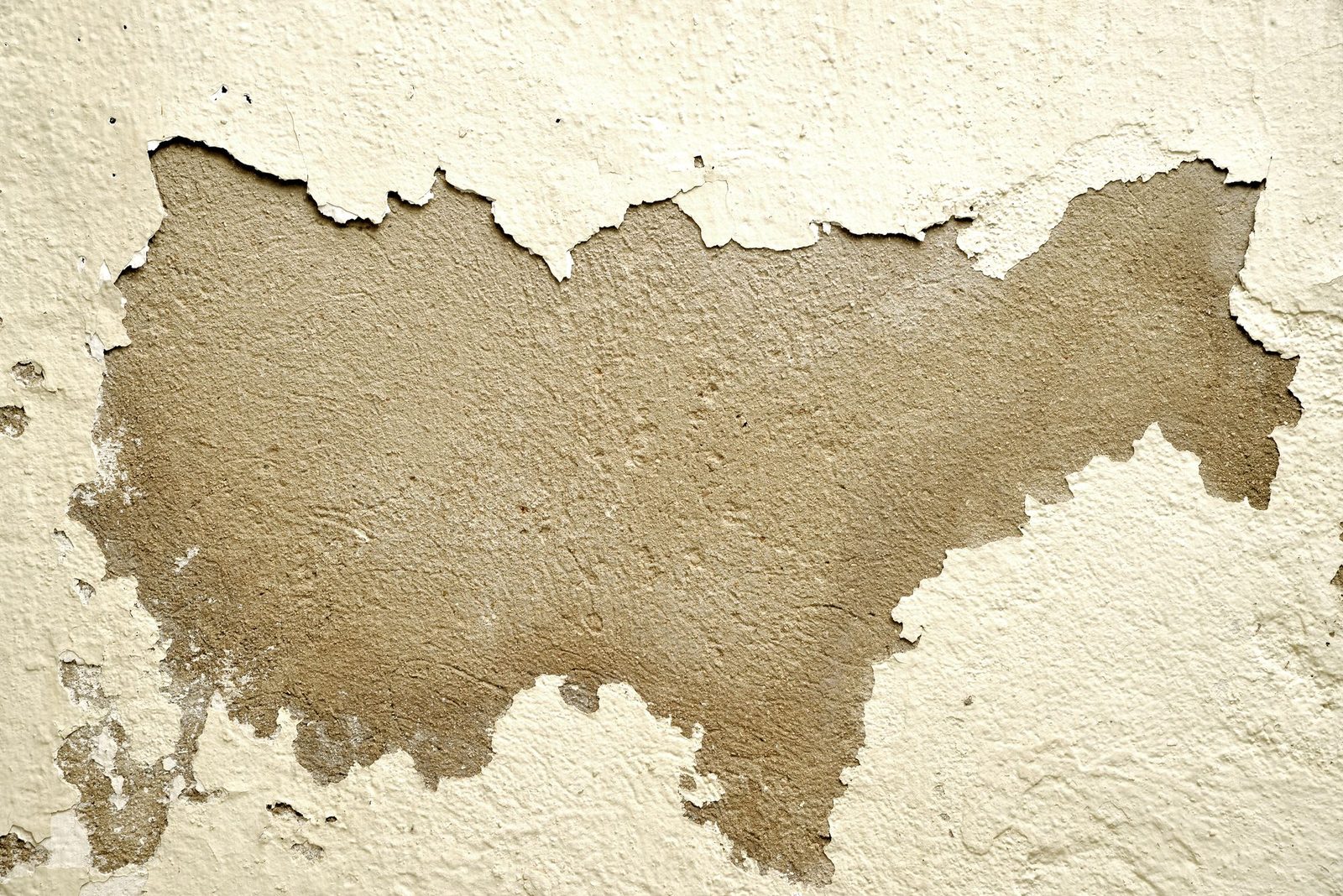
Mark visible symptoms on a simple drawing: damaged boards, open joints, stains, loose finishes, or patches. Describe what you see instead of assigning a cause. Keep separate marks for different materials on a mixed exterior.
Record when each symptom appeared. If you do not know, say so. A longstanding mark and a recent change should not merge into one undated description. This map helps a reviewer ask whether the areas share an interface or whether they represent separate concerns.
For a commercial property, include access limitations, tenant areas, and entrances that serve the affected elevation. For a home, include occupied rooms and landscaping that limits ground access. Neither situation establishes that the wall can remain usable throughout the work.
Which interfaces could connect separate defects?
Look at the relationship between visible damage and nearby windows, doors, penetrations, roof-to-wall transitions, and the wall base. You can record those locations without climbing or removing material.
Building Science Corporation’s water-managed wall discussion explains how flashing connects openings and intersections to the drainage plane behind cladding. A reviewer may therefore need to examine an interface beyond the visibly damaged finish.
Ask whether the proposed local work can reconnect to the existing water-management layers. A scope that names only the replacement surface may leave that question unanswered. Conversely, an opening nearby does not prove that it caused the damage or must be replaced. The useful decision is whether accessible findings support a bounded repair and what information remains missing. Ask for the reasoning behind the work boundary rather than accepting “small repair” or “full wall replacement” as a complete explanation.
What does moisture and prior-repair history add?
Bring notes about leaks, interior marks, repainting, previous patches, and changes around openings. Keep interior symptoms separate from exterior observations, even if they seem connected. A contractor can use both records without assuming one establishes the other. Cladding materials can store water to different degrees. Building Science Corporation’s reservoir-cladding guidance discusses moisture storage, drainage, and separation from water-sensitive materials. It supports asking about the wall behind a stain; it cannot diagnose damage from that stain alone.
If earlier work improved the appearance but the same symptom returned, include the repair description and dates. Recurrence deserves review. It does not establish that every layer failed or that the original contractor caused the problem.
Avoid covering uncertain conditions before someone defines the purpose of the next visit. Ask whether the reviewer needs the area visible and whether any safety concern requires separate attention. Do not remove siding or scrape coatings to investigate on your own.
When is investigation a separate scope?
An accessible exterior review, a finish repair, specialized moisture investigation, and structural assessment are different activities. Confirm which one a proposal includes.
If the cause or concealed condition remains uncertain, ask what additional information the reviewer needs before specifying a repair. Any proposed opening or testing needs defined locations, responsibilities, authorization, and a plan for restoration. Do not assume those services form part of a siding installation.
Structural diagnosis belongs with a licensed engineer. Suspected mold or other hazardous conditions also require appropriate specialist input rather than an unverified claim that an exterior contractor will remediate them. Define those responsibilities before comparing repair proposals.
You may still discuss an initial scope while investigation remains pending. The documents should distinguish confirmed work from assumptions and explain how additional findings change the proposed work.
What should your scope-boundary checklist contain?
Before selecting the repair path, ask:
Which elevations and finish areas does the proposal include?
Which nearby interfaces require review or reconnection?
What visible and concealed conditions support the proposed boundary?
Does the scope include preparation, trim, flashing, and finishing?
What investigation or specialist work remains separate?
How will discoveries, added work, and restoration receive approval?
What access and occupancy limits need agreement?
Retain your original photos and records. They give you a reference for the scope discussion and the final work area without serving as a substitute for professional assessment.
Planning this work? Explore Siding & Exterior Work in Houston or tell us about your project.
Frequently asked questions
Not necessarily. The supporting wall and connected interfaces may extend the work beyond the visible finish.
Only if the findings and proposed scope support that approach. Record conditions by elevation instead of assuming one wall represents the rest.
No. Describe the stain, its timing, and nearby conditions. The reviewer must assess possible causes rather than diagnose it from appearance alone.