What information distinguishes the roof categories?
Begin with records rather than climbing onto the roof. Look for previous proposals, installation documents, product information, and inspection reports. Note which section each document describes; a record for the main roof may say nothing about a later addition.
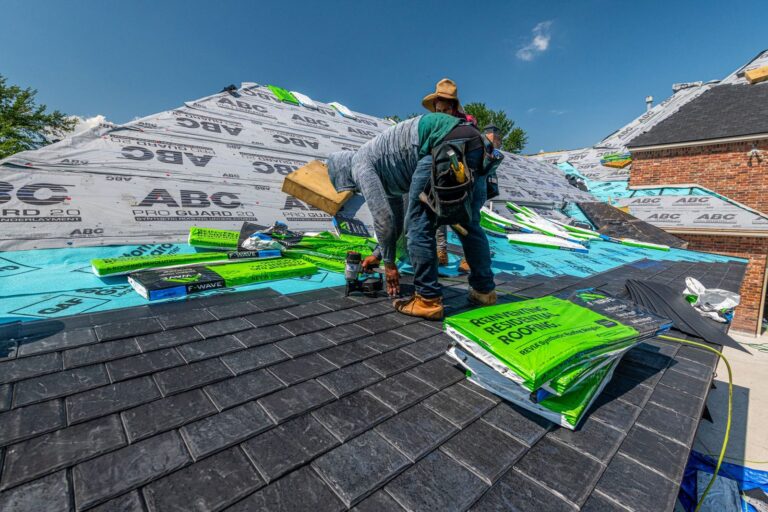
Asphalt shingles form a visible covering over other system components. GAF’s roof-components guide describes shingles alongside underlayment, flashing, starter materials, and ridge components. That general education does not identify your installed product or confirm a particular installation detail.
Low-slope roofs raise membrane and assembly questions, including seams, penetrations, drainage, and the underlying materials. “Flat roof” describes an appearance or roof category; it does not identify a membrane product. Ask for the actual system when available.
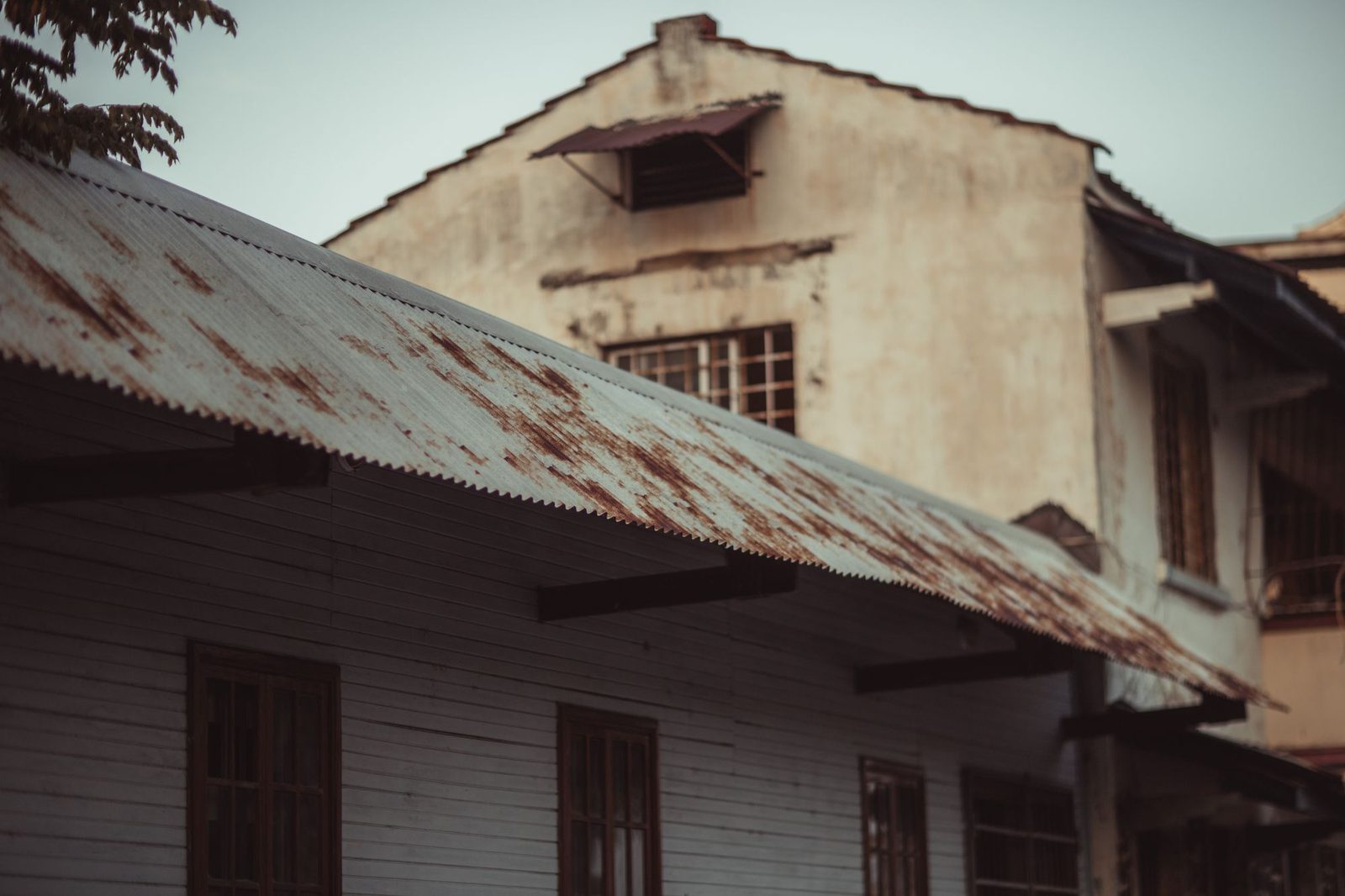
Metal roofs can differ in panel profile, attachment, seams, finish, and underlying assembly. If you have only a ground-level photograph, label the material as suspected until the reviewer verifies it. A proposed repair should name the relevant system rather than rely on “metal” as a complete specification.
Why is a low-slope roof not automatically TPO?
A light-colored surface alone cannot verify TPO. Previous coating, product differences, and limited visibility can make identification uncertain. Ask which records or accessible observations support the identification and which further review may be needed.
Carlisle’s Sure-Weld TPO rooftop inspection guide is an example of manufacturer guidance for a named system. It should not become a generic repair prescription for an unknown low-slope roof. The contractor needs to connect its proposed materials and methods to the actual assembly.
Keep “installed system” and “proposed system” separate in your inquiry. An owner considering TPO replacement might have another membrane today. The existing roof still affects investigation, removal assumptions, substrate questions, and the scope proposed for the new work.
How do mixed roofs change work boundaries?
Sketch the roof sections you can identify from existing plans or safe observations. Mark the main building, addition, porch, and any other area with a different covering. Label uncertain sections instead of guessing.
Ask who reviews the connections between them. A low-slope addition can meet a steeper main roof. Metal can meet another covering or an adjoining wall. The proposal needs to show whether the relevant transitions fall inside the scope and how the team handles conditions beyond that boundary.
Avoid assuming separate material quotes cover the whole interface. If one proposal stops at a wall or edge and another begins beyond it, ask who owns the connection. The issue is scope responsibility, not a reason to prefer one roof category over another.
For an occupied commercial property, include rooftop equipment and operating constraints. A system that suits one building’s conditions does not establish delivery fit for another. Confirm the exact property type and access needs rather than assuming after-hours work or a specialty capability.
Which observations can you collect without roof access?
Take exterior photographs from the ground where you can do so without entering restricted areas. Include wide views so the reviewer can relate a visible condition to the building. If interior evidence is accessible without hazards, record the room, location, date, and weather circumstances of a leak.
Do not climb a ladder, walk a roof, open a roof hatch, or enter a hazardous attic to identify the material. Report the available access arrangement and let the inspection team determine what it can review. An access limitation belongs in the inspection record, not in a request for the owner to take a risk.
Keep manufacturer names from actual records separate from guesses. A brand name in an old invoice may describe only one product or section. Send the record and let the reviewer explain its relevance.
What belongs in your roof-system information packet?
Prepare:
Property address, use, and decision-maker contact.
Available installation records, product names, and prior inspection reports.
A section sketch identifying known and uncertain coverings.
Safe photographs and dated leak observations.
Previous repair scopes and known equipment changes.
Access arrangements and occupancy restrictions.
Questions about transitions, concealed conditions, and proposed materials.
If the work relates to insurance, system identification remains a construction question. The Texas Department of Insurance separates contractor work from public-adjuster activity and prohibits deductible waivers. We can provide accessible observations and our construction estimate, not coverage interpretation or claim negotiation.
Planning this work? Explore Houston Roofing Repair & Replacement or tell us about your project.
Frequently asked questions
Do not rely on color alone. Ask for product records and professional verification before treating the roof as TPO.
No. Different sections may have different assemblies. Include their connections in the review rather than treating each visible covering in isolation.
You can state a preference. Keep the existing assembly, proposed system, and unresolved suitability questions separate until the reviewer assesses the property.