What leak history should you record first?
Give each affected interior area a clear location: upstairs hallway ceiling, storage-room wall beside the loading door, or another description someone can find. Record the date, approximate time, and whether you noticed dripping, staining, dampness, or a change in an existing mark. Keep older photos beside new ones instead of replacing them.
Describe conditions without declaring a cause. “Water appeared during rain with wind from the driveway side” is more useful than “the screws failed.” Note whether symptoms appear during every rain event or only certain conditions. That distinction gives the inspector a question to investigate; it does not prove which detail leaked.
For a commercial property, include equipment operation and recent rooftop trade visits. For a home, include prior additions, roof penetrations, or work around a chimney. Share facts you know and mark the rest unknown. Avoid entering an unsafe attic or approaching wet electrical equipment to complete the record.
Why should seams, fasteners, and flashing receive separate attention?
A metal roof has connections across the panels and at its boundaries. The relevant questions differ by location.
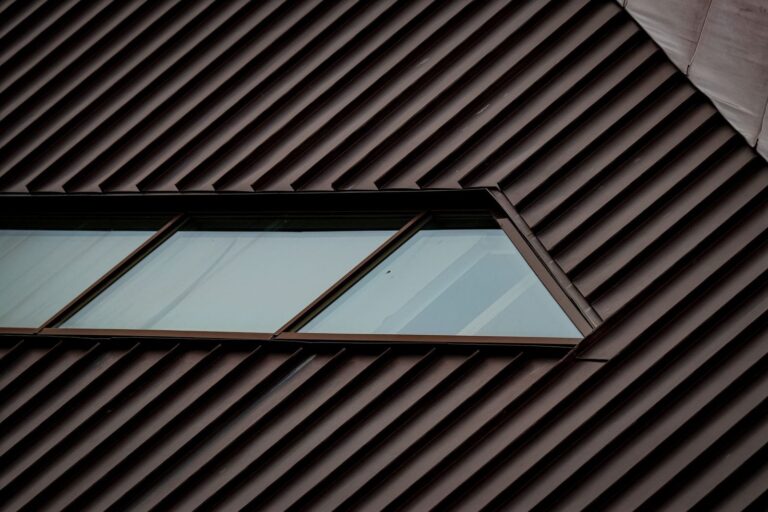
At panel seams, ask which profile is present and how adjoining panels connect. At attachments, ask whether the system uses exposed fasteners or concealed clips. At flashing, identify where the roof meets walls, equipment, pipes, ridges, and edges. A patch over one visible opening does not establish the condition of the surrounding connections.
The Metal Construction Association’s fastener compatibility bulletin explains that profiled metal panels require compatible mechanical fasteners for secure, weather-tight attachment. Use that principle to ask whether proposed materials fit the documented assembly. It is not a reason to tighten or replace roof fasteners yourself.
Ask the inspector to distinguish observed deterioration from areas they could not access. A report that identifies a rusted attachment, an earlier patch, and an unverified concealed connection gives you a clearer basis for discussion than a single label such as “metal roof leak.”
How do movement and previous patches change the questions?
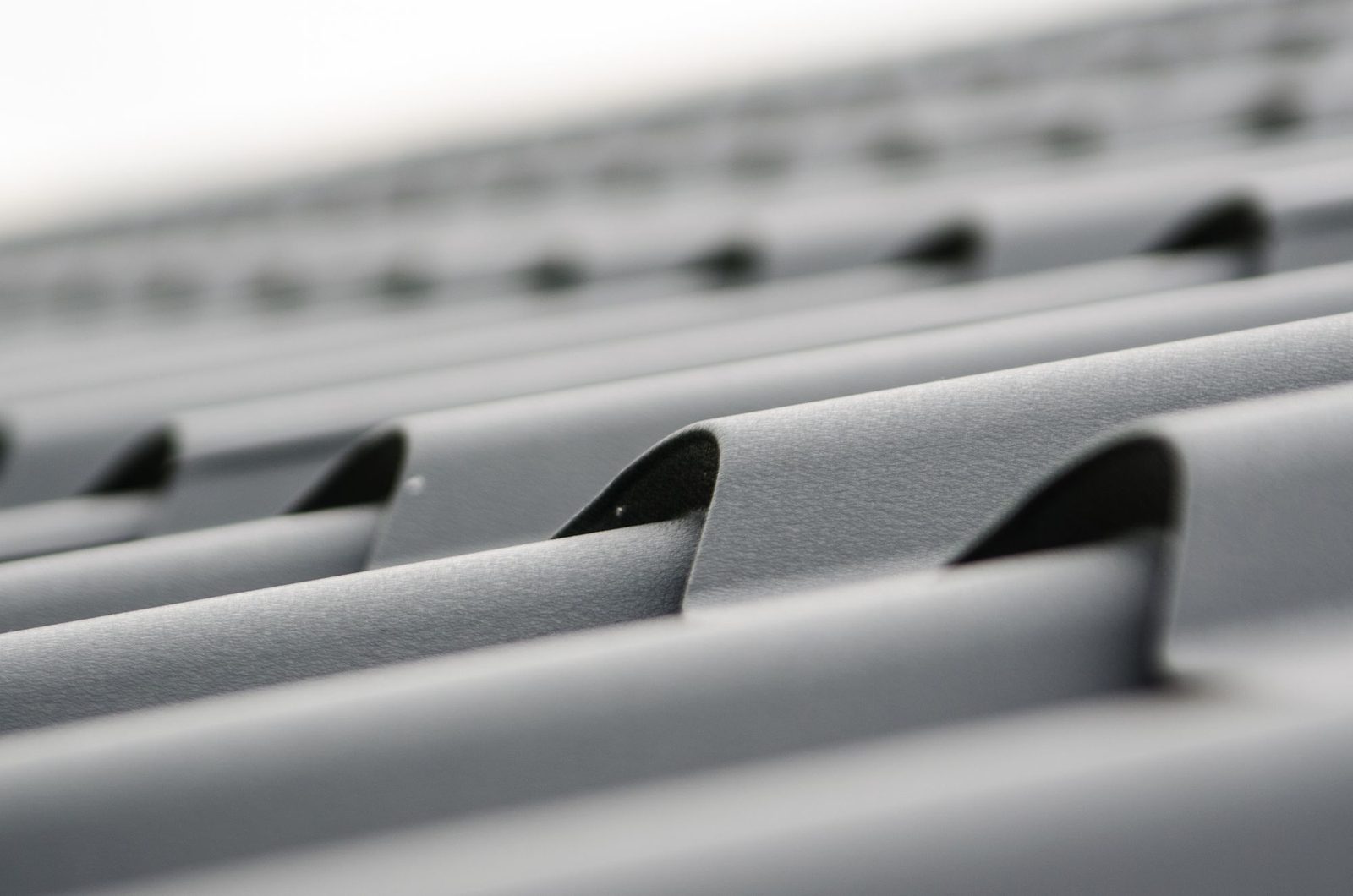
Metal panels respond to temperature changes, and attachment arrangements differ. The Metal Construction Association’s guide to panel attachment discusses exposed fastenings, concealed clips, and thermal movement. The takeaway for an owner is to identify the system before accepting a universal repair method.
Gather invoices or descriptions of previous repairs. Note whether someone replaced flashing, applied a coating, changed fasteners, or worked around equipment. If you only remember “they sealed the roof,” say that and provide the date. Do not guess a product name.
Earlier work may cover the detail an inspector needs to examine. Ask whether the proposed investigation includes that patch and what remains uncertain underneath. A new surface treatment may improve a particular connection, but you still need a scope that explains why that treatment fits the observed condition.
What can you photograph without climbing onto the roof?
Use ground-level exterior views to show the affected roof plane, nearby walls, and equipment visible from a safe position. Take indoor photos that show both the room location and the mark itself. Name files by area and date so the reviewer can connect them to your notes.
Do not climb onto the roof, lean out of windows, disturb panels, or remove a patch for an inquiry. Share existing roof photos and product records if you have them. Let the inspection team determine access arrangements.
For occupied properties, disclose locked access points, tenant areas, business operations, and any restrictions on interior observation. An inspection of accessible conditions cannot confirm the condition of every concealed layer. Ask what additional review might be necessary before someone defines the work.
What belongs in your next-step checklist?
Prepare a short packet:
Property address, residential or commercial use, and decision-maker contact.
Interior symptom locations, dated photos, and rain-event notes.
Roof age, panel profile, and product documents, where known.
Previous repairs, coatings, and rooftop equipment work.
Access limits and any existing inspection reports.
Questions about observed findings, concealed conditions, and compatible repair materials.
Keep insurance questions separate from construction observations. We can document accessible conditions and provide our own construction scope and estimate. We do not interpret coverage, negotiate claims, act as a public adjuster, promise insurer payment, or waive deductibles. The Texas Department of Insurance explains those roofing and insurance boundaries.
Planning this work? Explore Metal Roofing Repair & Work in Houston or tell us about your project.
Frequently asked questions
No. Record its location, but let the inspector assess possible water paths and surrounding details before identifying an entry point.
Avoid making an unverified roof repair. Photograph what you can from a safe location and disclose any temporary work someone has already performed.
Photos help explain the concern. Access, assembly records, and further investigation may still be necessary to define the cause and scope.