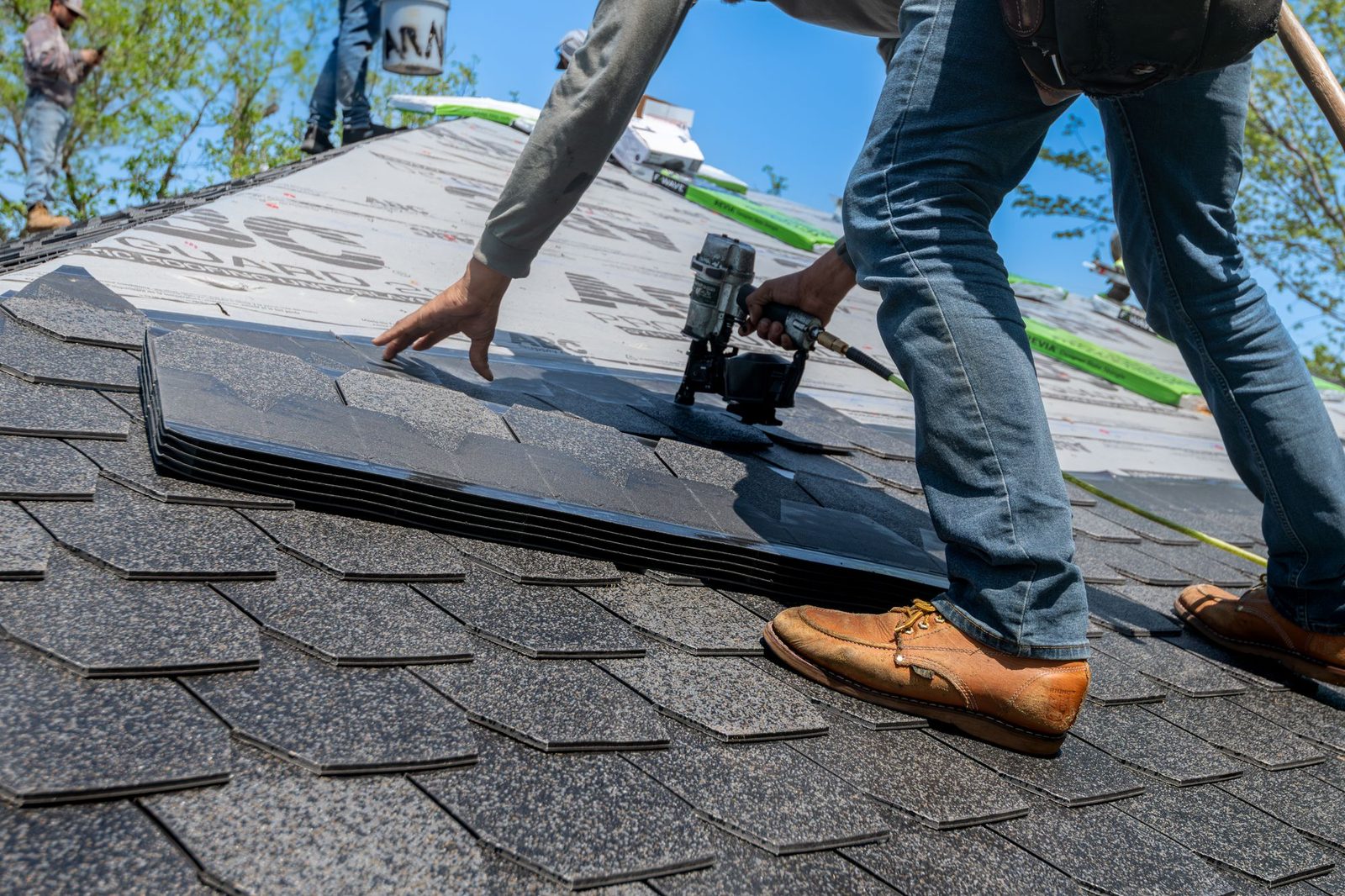
What can the visible damage tell you?
A ground-level photograph can help locate a missing area, displaced material, or a change in appearance. It may not show how adjacent shingles connect, what lies underneath, or whether a nearby detail contributes to a leak. Send the photograph with the location and date rather than asking it to settle the diagnosis.
Describe what you saw without adding a cause. “Missing material above the front entry” is more useful than “wind destroyed the roof” when nobody has assessed the condition. The inspection can document accessible observations; coverage and storm-cause conclusions require separate evidence and appropriate review.
If a leak appeared around the same time, record its interior location and circumstances as another observation. Do not assume that it proves a direct path from the visible shingle defect. Give the inspector both records so the review can consider their relationship.
Which adjoining details deserve review?
Ask how close the affected area lies to a roof edge, valley, wall, vent, or other penetration. Those connections may affect the boundary of practical work. A proposal that mentions replacement shingles should also explain which related details it includes or excludes.
GAF’s roof-components guide identifies underlayment and flashing among the components associated with a shingle system. Use that as general background when asking what the inspector reviewed. It does not prove that the materials on your roof follow a particular manufacturer’s system.
Ask the reviewer to show photographs of adjoining conditions when accessible. You want to understand why the proposed scope extends beyond the visible missing material, or why the team believes a limited boundary is suitable. Neither conclusion should rely on appearance alone.
Roof geometry matters to that discussion. A defect in an open field differs from one beside a transition or penetration. The owner does not need to prescribe an installation method; the proposal should identify the detail the contractor intends to address.
What remains unknown below the shingles?
An intact visible layer can conceal conditions the inspector cannot assess without opening the assembly. Ask what the review established about underlayment and deck conditions, what it could not establish, and how the proposal handles those unknowns.
Avoid treating “no visible deck damage” as confirmation of the concealed deck. If further investigation is needed, ask what it involves, who authorizes it, and how the team will document findings. Structural diagnosis belongs with a licensed engineer where needed, rather than an unsupported conclusion from a photograph.
Discuss change procedures before work begins. You should know how the contractor communicates a concealed condition that affects the original scope and what approval is required before additional work proceeds. A written boundary protects the distinction between a visible repair request and a broader assembly finding.
How should previous work affect the review?
Locate records for repairs near the affected area. Even a brief invoice or dated photograph may help the inspector distinguish an older intervention from a new observation. State if you know the symptom returned after that work.
Ask whether earlier materials or methods affect the new scope. An inspector may need further information before confirming compatibility. Do not assume that a previous patch proves the surrounding assembly remains suitable for another patch.
Material matching also deserves a separate question. Name the product if records establish it, but avoid guessing from color. A proposed local repair needs documented compatibility as well as a discussion of appearance. Your next step is a scope review, not buying the closest-looking shingles yourself.
What belongs in your shingle-damage checklist?
Prepare the following without climbing onto the roof:
Wide exterior photographs from the ground and the affected location.
Date first observed and any later changes.
Interior leak observations from safe, accessible areas.
Known roof age, product records, and prior repair information.
Nearby penetrations or transitions visible in existing records.
Property use, occupancy, and safe access arrangements.
Questions about adjoining components, concealed conditions, and scope boundaries.
Keep insurance questions separate from that packet. We can inspect accessible conditions and provide our own construction estimate. The Texas Department of Insurance explains contractor/public-adjuster boundaries and the prohibition on deductible waivers. Direct coverage or settlement questions to your insurer or an appropriately licensed public adjuster who is not serving as your contractor on the loss.
Planning this work? Explore Shingle Roof Repair & Replacement in Houston or tell us about your project.
Frequently asked questions
Yes. Nearby connections, material compatibility, and underlying conditions may affect the practical work boundary. Ask the inspector to explain which findings support the scope.
No. Record what you observed and when. Avoid assigning storm cause or insurance significance without the appropriate supporting evidence.
No. Share ground-level photos and safe interior observations. Let the inspection team assess access and document roof conditions.