Why do surface boards give only part of the picture?
You walk on the boards, but the deck also depends on the supports and connections beneath and around them. Replacing a visible worn surface does not verify the structure carrying it. A repair proposal should explain what someone assessed and what remains inaccessible.
The Consumer Product Safety Commission encourages professional inspection of decks for structural soundness in its Outdoor Repairs checklist. That recommendation addresses safety, not just appearance. An owner photograph or a fresh finish cannot substitute for inspection.
Do not test the deck by jumping, gathering people on it, or pushing guards to see whether they hold. If you notice concerning movement, loose connections, or deterioration, stop using the affected area and seek qualified guidance. Avoid going underneath an uncertain structure to take additional pictures.
Which framing and connection questions should you ask?
Ask who will review framing, support points, the connection to the building if present, and other accessible structural components. Request a clear distinction between observations and conclusions. A contractor may document visible construction conditions; a licensed engineer should address structural diagnosis or repair design.
Share the age of the deck if known, prior alterations, repair records, and any available plans. Added stairs, enlarged areas, or changes near the house may matter to the review. Do not assume work performed at different times forms one verified structure.
A surface-only proposal should explain its limitations. Which components can remain, based on what review? Which conditions would change the scope once boards come off? Ask for a process to document and address concealed findings rather than a promise that new boards will complete the repair.
How do stairs and guards affect a board-replacement scope?
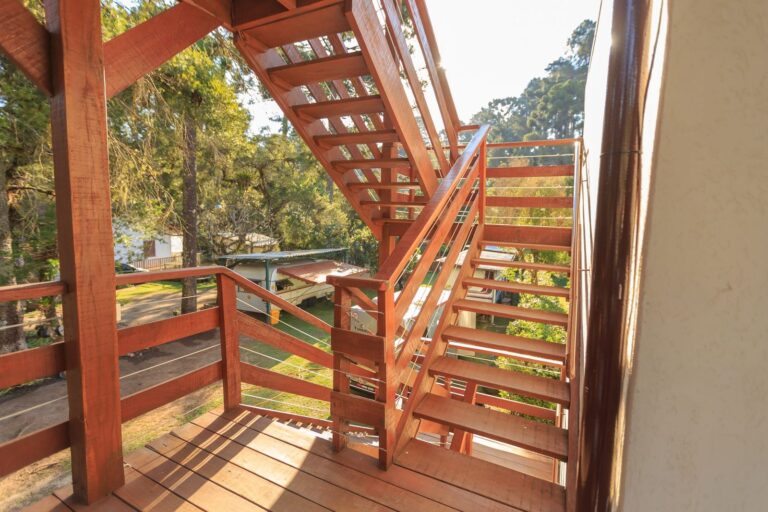
Stairs, landings, and guards are separate parts of how you use the deck. Identify loose elements, changes in level, or concerns at entrances from a safe location. Do not assume a proposal covering the platform boards also covers these areas.
Ask which components someone will assess and which repairs the scope includes. Applicable requirements depend on the property and work, so avoid adopting one online dimension as a universal rule. A qualified reviewer should determine the relevant design and code responsibilities.
For a commercial property, describe public use, occupancy, and accessible routes. The exact repair boundary and delivery fit require project-specific confirmation. A residential surface-replacement example cannot establish suitability for a platform serving customers or tenants.
Why discuss drainage and deterioration before selecting boards?
Record any history of trapped water, repeated damp areas, or earlier repairs. A reviewer should consider how the deck meets the building, grade, and nearby drainage. New surface material does not explain why an existing component deteriorated.
Material choice still matters, but collect preferences after identifying the condition questions. Ask how the proposed boards relate to the existing framing and product requirements. Do not assume that a different board category can use the same support arrangement without review. The practical tradeoff is between a limited repair with a documented basis and a broader scope when conditions require it. A smaller visible defect does not guarantee a smaller repair. Equally, an aged surface does not prove full replacement is necessary.
What should you see in the proposed repair documents?
Look for the assessed areas, accessible observations, included repairs, and exclusions. The proposal should identify responsibility for structural questions and state how concealed damage or changed conditions will be handled.
Ask whether removing boards, disposing of material, protecting adjacent areas, and completing stairs or trim are included. These are scope questions, not assumptions to settle from the headline “replace decking.” Clarify how access and occupancy will work without demanding a fixed completion promise before conditions are known.
For permit questions at a city property, start with the Houston Permitting Center. Confirm the relevant authority and project requirements; this guide does not declare all deck repairs exempt or all repairs subject to the same process.
What belongs in your condition checklist?
Prepare:
Planning this work? Explore Deck Construction & Replacement in Houston or tell us about your project.
Plans, known age, alteration history, and past repair documents.
Safe photos of the whole deck and visible concerns.
Movement, loose components, moisture history, or deterioration you have noticed.
Stair, guard, landing, and building-connection questions.
Desired surface material, occupancy, and access limits.
Questions about structural review, exclusions, and concealed findings.
Frequently asked questions
No. Accessible appearance cannot verify concealed conditions. Ask what someone inspected and what limitations remain.
Age alone does not settle the scope. Condition, connections, support, intended use, and qualified review guide the decision.
A board selection cannot certify the whole deck. The supports, connections, stairs, and guards need their own review.